Anthurium Gracilis: The Delicate Beauty of the Rainforest
Anthurium Gracilis is a breathtakingly beautiful plant that can add a touch of elegance to any space. This unique and exotic plant has captured the hearts of gardeners and plant enthusiasts around the world. Its distinctive shape and vibrant colors make it a popular choice for both indoor and outdoor environments. In this article, we will take an in-depth look at Anthurium Gracilis, exploring its origins, growth habits, and tips for care.
Native to South America, Anthurium Gracilis is a member of the Araceae family and is also known by its common name, the "Crystal Anthurium." This stunning tropical plant is prized for its long-lasting flowers, which can bloom for up to three months. The plant's delicate white blooms are offset by its striking green leaves, which feature prominent veins that give them a unique texture.
Anthurium Gracilis is a relatively easy plant to care for, making it an excellent choice for both experienced and novice gardeners. It thrives in bright, indirect light and prefers well-draining soil that is kept moist but not waterlogged. With proper care, this stunning plant can live for several years and bring joy and beauty to your home or garden.
Origins
Anthurium Gracilis is native to the rainforests of South America, where it grows as an epiphyte on trees and other plants. It is found primarily in Brazil, Colombia, Peru, and Ecuador, where it thrives in warm, humid climates with plenty of rainfall.
In its natural habitat, Anthurium Gracilis can grow up to 20 feet tall, although it usually reaches a more modest size when grown indoors. The plant's long stems can be trained to climb up a trellis or other support, making it an excellent choice for adding vertical interest to your garden.
Growth Habits
Anthurium Gracilis is a slow-growing plant that typically reaches a height of 12 to 24 inches. It has long, slender stems with glossy green leaves that can be up to 8 inches long. The plant's flowers are the main attraction, with each bloom measuring up to 3 inches across.
Anthurium Gracilis blooms throughout the year, although it may take a few years for the plant to producing flowers. The flowers are white and have a delicate, almost translucent quality that gives them their common name, the "Crystal Anthurium." They are held aloft on long stems and can last for up to three months, making them an excellent choice for cut flower arrangements.
Care Tips
Anthurium Gracilis is relatively easy to care for, as long as you provide it with the right growing conditions. Here are some tips for keeping your plant healthy and happy:
- Light: Anthurium Gracilis prefers bright, indirect light. Direct sunlight can scorch its leaves, so avoid placing it in a south-facing window.
- Water: Keep the soil moist but not waterlogged. Water the plant when the top inch of soil feels dry to the touch.
- Humidity: Anthurium Gracilis thrives in humid conditions. You can increase humidity by placing a tray of water near the plant or by using a humidifier.
- Fertilizer: Feed your plant with a balanced fertilizer every two weeks during the growing season (spring and summer). Reduce fertilization in the fall and winter.
Pests and Diseases
Like all plants, Anthurium Gracilis is susceptible to pests and diseases. Here are some common issues to watch out for:
- Spider mites: These tiny pests can infest the plant's leaves and cause them to turn yellow and eventually fall off. Keep humidity levels high to deter spider mites.
- Mealybugs: These white, fluffy insects can also infest Anthurium Gracilis. Use a cotton swab dipped in rubbing alcohol to remove mealybugs from your plant.
- Root rot: Overwatering can lead to root rot, which is a fungal disease that can kill your plant. Make sure the soil drains well and avoid keeping the plant in standing water.
Propagation
Anthurium Gracilis can be propagated by division or stem cuttings. Here's how:
- Division: Gently remove the plant from its pot and separate the roots into two or three clumps. Replant each clump in its own pot with fresh soil.
- Stem cuttings: Cut a stem that has at least two nodes (where the leaves attach) and place it in a pot filled with moist potting mix. Keep the soil moist and wait for new growth to appear.
Uses
Anthurium Gracilis is primarily grown as an ornamental plant for its stunning flowers and foliage. However, some cultures believe that the plant has medicinal properties. In traditional Peruvian medicine, the leaves of Anthurium Gracilis are used to treat burns and wounds.
Anthurium Gracilis is a stunning plant that can add a touch of elegance to any space. Its long-lasting flowers and unique foliage make it a popular choice for both indoor and outdoor environments. With proper care, this exotic plant can thrive for several years and bring joy and beauty to your home or garden.
Frequently Asked Questions
1. Is Anthurium Gracilis toxic to pets?
Yes, Anthurium Gracilis is toxic to pets, including cats and dogs. The plant contains calcium oxalate crystals, which can cause gastrointestinal irritation, drooling, and difficulty swallowing if ingested.
2. How often should I water Anthurium Gracilis?
Water your Anthurium Gracilis when the top inch of soil feels dry to the touch. Depending on the temperature and humidity in your home, this may be once or twice a week.
3. Can I grow Anthurium Gracilis outdoors?
Anthurium Gracilis is a tropical plant that prefers warm, humid conditions. It can be grown outdoors in USDA zones 10 and above, but it will need protection from direct sunlight and cold temperatures.
4. How big does Anthurium Gracilis get?
Anthurium Gracilis typically grows to a height of 12 to 24 inches, although it can reach up to 20 feet tall in its natural habitat.
5. Why are the leaves on my Anthurium Gracilis turning yellow?
Yellowing leaves can be a sign of overwatering, underwatering, or pest infestations. Check the soil moisture level and inspect the plant for signs of spider mites or mealybugs.
6. Can I prune Anthurium Gracilis?
Yes, you can prune Anthurium Gracilis to control its size and shape. Use sharp, clean pruning shears to remove any dead or damaged leaves or stems.
7. How do I increase humidity for my Anthurium Gracilis?
You can increase humidity by placing a tray of water near the plant or by using a humidifier. Misting the plant with water can also help, but be careful not to wet the flowers.
8. How often should I fertilize Anthurium Gracilis?
Feed your Anthurium Gracilis with a balanced fertilizer every two weeks during the growing season (spring and summer). Reduce fertilization in the fall and winter.
9. Can I grow Anthurium Gracilis from seed?
Anthurium Gracilis can be grown from seed, but it is a slow process. It may take several years for the plant to produce flowers.
10. How long do the flowers on Anthurium Gracilis last?
The flowers on Anthurium Gracilis can last for up to three months if the plant is provided with the right growing conditions.
12 Anthurium gracilis Images

Learn About Hawaiian Anthurium Flowers Anthurium Flower Anthurium

Anthurium I Will Have To Wait Ifuntil My Anthurium Blooms Before I
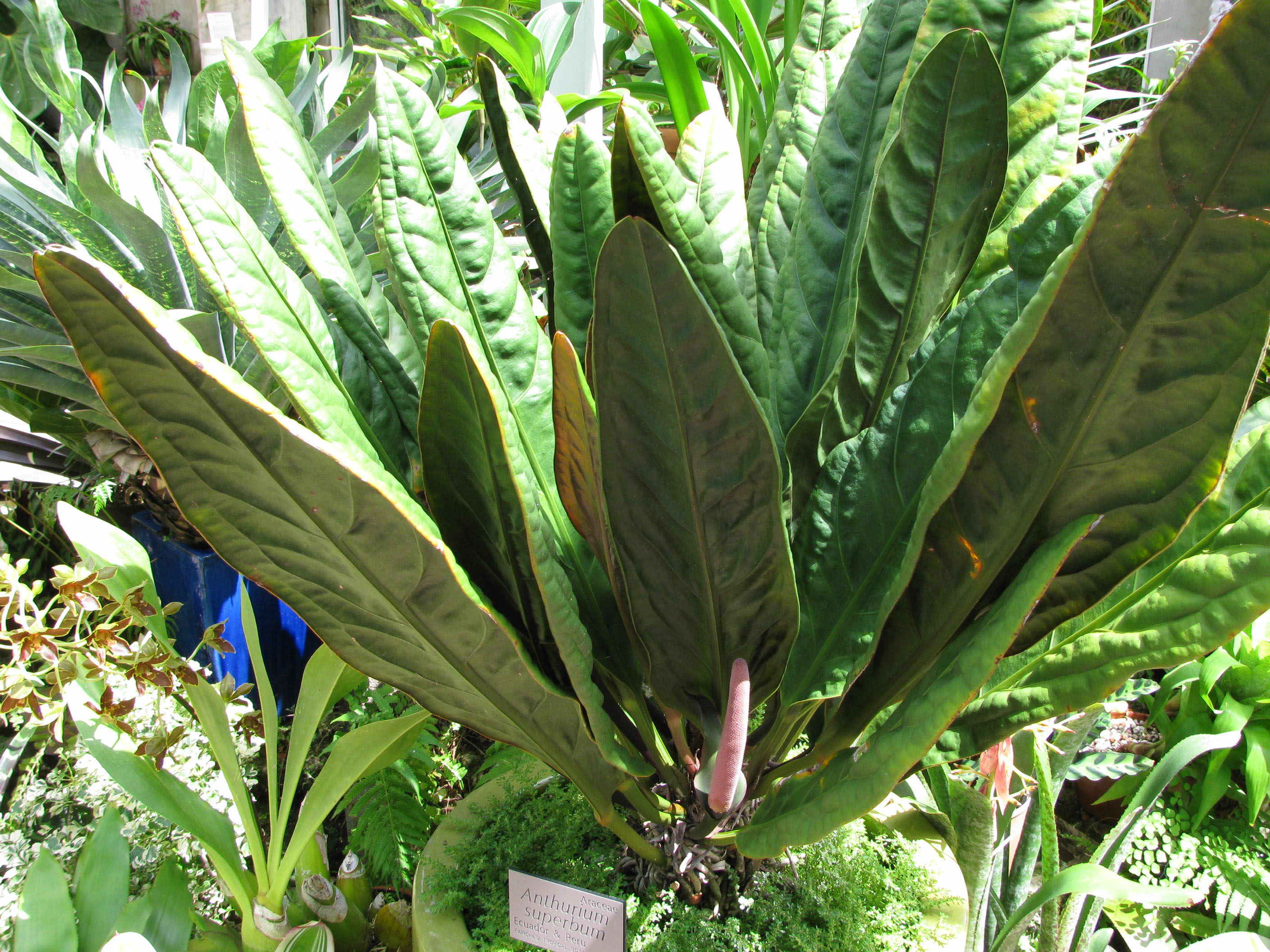
Anthurium Wendlingeri Rare Epiphytic Aroid Orchid Ally Tropical Plant

Pin On Plants We Need

Pin On Plants

Anthurium Plant Care Learn About Repotting Anthuriums Common House

Dendrobium Gracilicaule Orchids Fragrant Flowers Plants

Anthurium Wendlingeri Anthurium Vittarifolium Anthurium Anthurium

The Anthurium Plant Care Guide Anthurium Plant Anthurium Care Anthurium

Cereus Frailea Ferocactus Turbinicarpus

Nepenthes Ampullaria Carnivorous Plants Pitcher Plant Plants

Anthurium Bosworth Beauty Anthurium Plant Anthurium Foliage Plants
Post a Comment for "Anthurium Gracilis: The Delicate Beauty of the Rainforest"